Tub-to-Shower Conversion Cost in Tennessee (2026 Guide)
If your bathtub mostly collects dust while everyone in the house wishes for a bigger, easier-to-use shower, you are not alone. Converting a tub into a shower is one of the most popular bathroom upgrades in Tennessee — and one of the most practical.
But how much does it actually cost? In this guide, we break down tub-to-shower conversion costs in Tennessee for 2026: the average price, what drives it up or down, and how to get the best value. Every number below is a typical range, not a quote — your exact cost depends on your bathroom, your materials, and how much plumbing work is involved.
Average Tub-to-Shower Conversion Cost in Tennessee
Most Tennessee homeowners spend between $1,500 and $10,000 on a tub-to-shower conversion, depending on the scope. A basic swap — removing the tub and installing a prefabricated shower unit with the plumbing left in place — lands at the lower end. A custom-tiled walk-in shower with new plumbing, frameless glass, and premium fixtures climbs toward the upper end, and luxury projects can pass $20,000.
The good news: this is one of the faster bathroom projects. A professional crew typically finishes in one to three days.
Cost by Tier: Basic, Mid-Range, and Luxury
It helps to think in three tiers. Here is what each one usually includes:
Basic conversion: $1,500–$5,000. The old tub comes out and a prefabricated shower stall or acrylic surround goes in. Plumbing stays where it is. Standard fixtures, a simple shower door or curtain rod. This tier is ideal when you want a functional, modern shower without custom work.
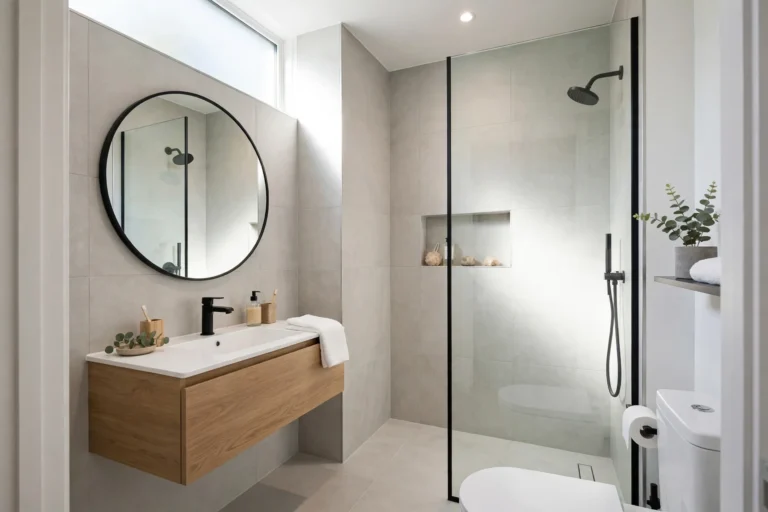
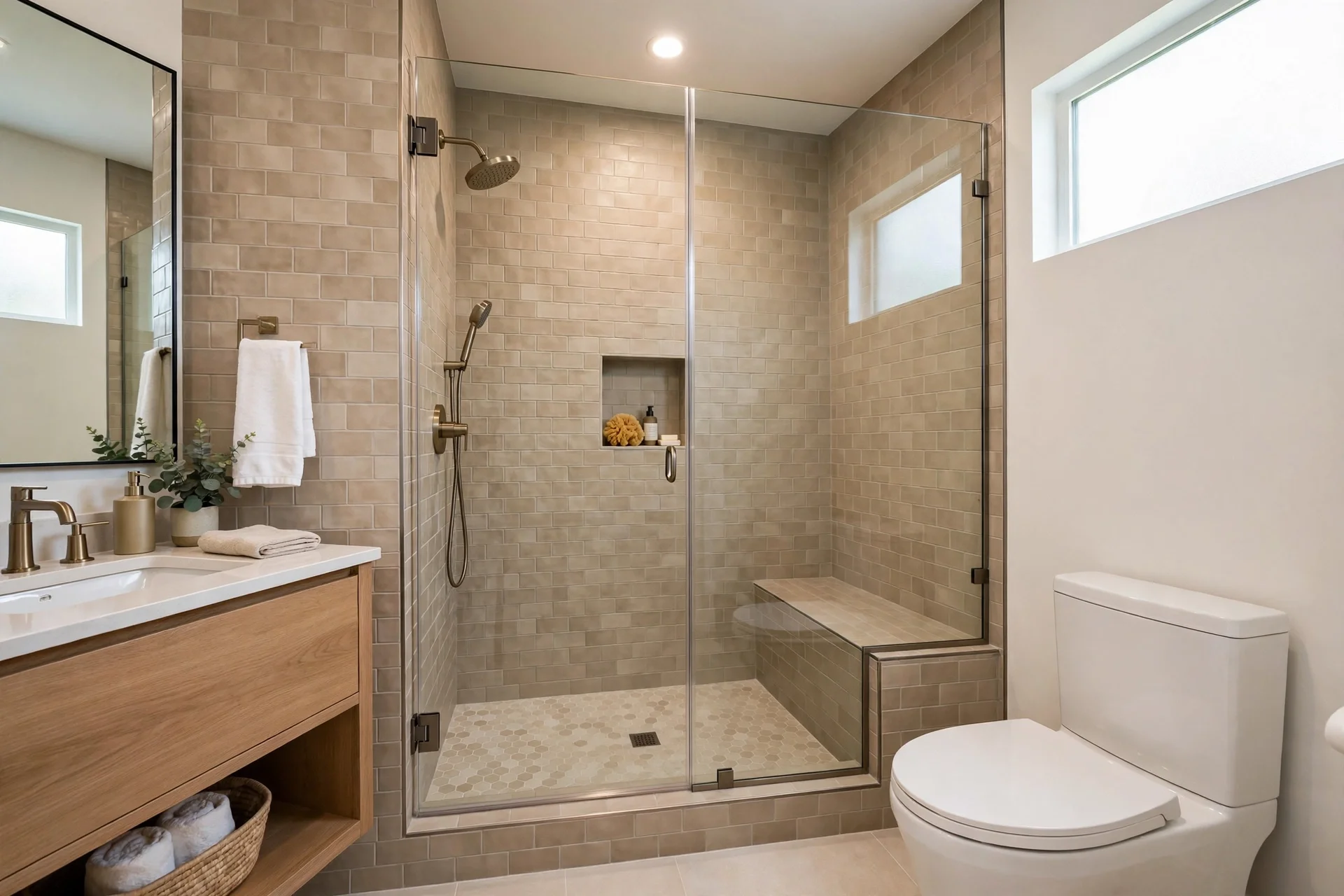
Mid-range conversion: $5,000–$10,000. The most common choice. A tiled shower with a proper waterproofed base, upgraded fixtures, a semi-frameless or framed glass door, and possibly a built-in bench or niche. Minor plumbing adjustments are included. This is the sweet spot for most homeowners — a shower that looks custom and lasts for decades.
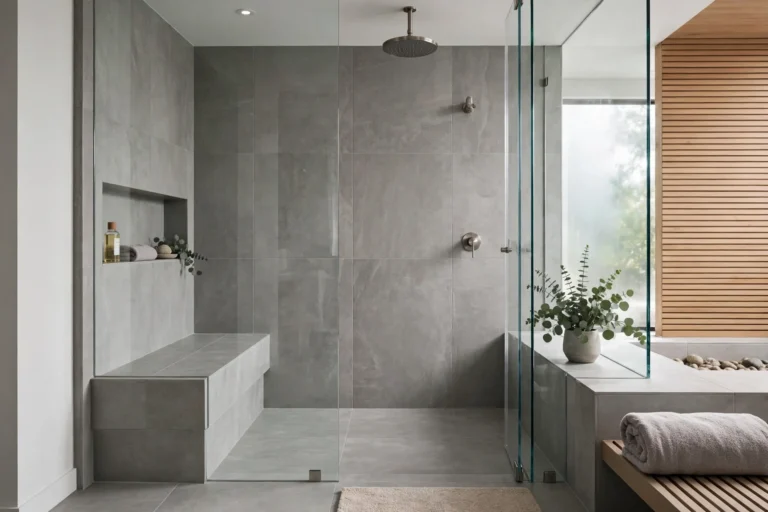
Luxury conversion: $10,000–$20,000+. Fully custom tile design, curbless (zero-threshold) entry, frameless glass enclosure, rain showerhead plus handheld sprayer, body sprays, premium valves, and any needed plumbing relocation.
If you are deciding between tiers, our tub-to-shower conversion service in Kingsport covers all three — the right choice depends on your budget and how long you plan to stay in the home.
Full Cost Breakdown: Where the Money Goes
Here is what a typical conversion includes and how each part affects the budget:
| Component | What It Includes | Budget Impact |
|---|---|---|
| Demolition & disposal | Tub removal, hauling away debris | Minor — usually a few hundred dollars |
| Plumbing | Drain relocation, new valve, supply lines | Moderate — $500–$2,000 extra if pipes must move |
| Shower base / pan | Prefab base or custom-tiled waterproofed pan | Moderate — custom pans cost more |
| Walls | Acrylic surround vs. tile with waterproofing membrane | Major — tile is the biggest material swing |
| Glass door / enclosure | Curtain rod, framed, semi-frameless, or frameless glass | Moderate to major |
| Fixtures | Showerhead, valve, trim kit, grab bars, bench | Minor to moderate |
| Labor | Crew time for demo, plumbing, tile, and finishing | Major — pros typically charge $50–$150/hr |
| Permits & inspections | Required when plumbing is altered | Minor |
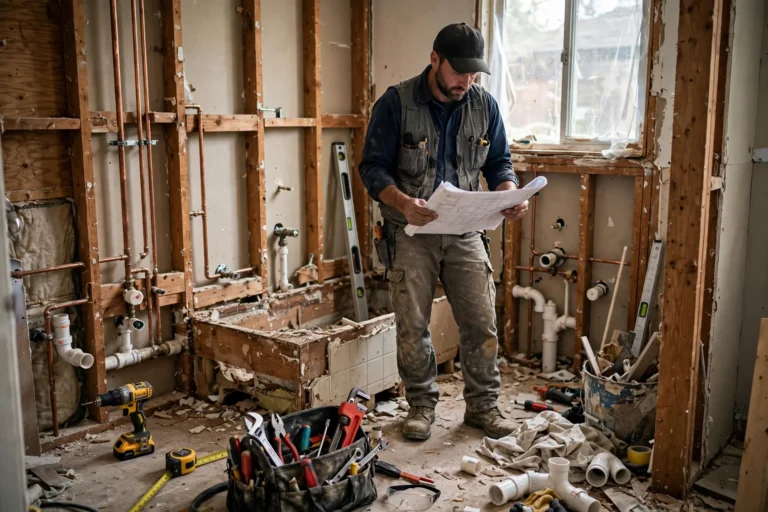
Plumbing deserves special attention. If your new shower drain can use the tub’s existing drain location, you save significantly. Moving the drain or supply lines means opening the floor or walls, which adds $500 to $2,000 to the project.
Labor is usually the largest single cost. Tile setting and plumbing are skilled trades, and proper waterproofing behind the tile is what keeps your shower leak-free for decades. This is the worst place to cut corners.
Whatever tier you choose, set aside a 10% contingency budget. Older bathrooms sometimes hide water damage or outdated pipes behind the walls, and it is far less stressful to plan for surprises than to be blindsided by them.
5 Factors That Move Your Price Up or Down
1. Whether the plumbing moves. Keeping the drain and supply lines in place is the single biggest saver. Relocating them adds labor and materials fast.
2. Prefab vs. custom tile. A one-piece acrylic surround installs in hours and costs far less than a hand-tiled shower with a waterproofing system. Tile looks better and lasts longer, but you pay for the craftsmanship.
3. Glass enclosure choice. A shower curtain or basic framed door is the budget option. Semi-frameless doors sit in the middle. Frameless glass looks stunning but costs the most — thick tempered glass plus precise installation.
4. Shower size and features. A standard 60-inch alcove shower is straightforward. Expanding the footprint, adding a bench, niche shelving, grab bars, or a second showerhead each add cost — and comfort.
5. Condition of the existing bathroom. If the subfloor or wall framing behind the tub has water damage, it must be repaired before the new shower goes in. Homes with older plumbing may also need supply lines updated to current standards.
Is a Tub-to-Shower Conversion Worth It?
For most households, yes — with one important caveat.
Daily comfort is the biggest win. Showers are faster, use less water than baths, and are far easier to step in and out of — a real advantage for older adults or anyone with mobility concerns. A spacious walk-in shower simply gets used more than a tub that sits empty.
Accessibility adds long-term value. Low-threshold entries, grab bars, and benches make the bathroom safer for every age. If you plan to age in place, a conversion is one of the smartest upgrades you can make. (See also our guide to walk-in shower installation in Kingsport.)
Resale value is where the caveat comes in: real estate professionals generally recommend keeping at least one bathtub in the home, especially in family-oriented neighborhoods. If your house has two or more bathrooms, converting one tub to a shower while keeping a tub in another is the ideal setup. Removing the *only* tub in the house can narrow your buyer pool down the road.
DIY vs. Hiring a Professional
A tub-to-shower conversion looks simple on video, but the critical work is hidden. Waterproofing the shower pan and walls, setting the drain slope correctly, and tying into existing plumbing all require skill — and mistakes lead to leaks, mold, and ruined subfloors that cost far more to fix than the original project.
A confident DIYer can handle demolition, painting, and installing accessories like grab bars or a shower curtain rod. But plumbing, waterproofing, and tile setting belong to licensed professionals. Most conversions also need a permit when plumbing is altered, and permitted work must meet code.
Given that a pro crew finishes in one to three days, hiring out is usually the better deal once you factor in your time, tool costs, and the risk of water damage from a DIY waterproofing mistake.
5 Money-Saving Tips
1. Keep the drain where it is. Designing the new shower around the existing drain location avoids the $500–$2,000 plumbing relocation cost.
2. Choose an acrylic surround for the budget tier. It installs in a day, never needs grout maintenance, and costs a fraction of custom tile.
3. Skip the frameless glass — for now. A quality semi-frameless door looks great at a much lower price. You can upgrade to frameless later.
4. Bundle the work. If you also want a new vanity, toilet, or flooring, doing it all in one project saves on labor compared to separate visits.
5. Get the design right the first time. Changing tile or fixtures after ordering — or moving plumbing after walls are closed — is the fastest way to blow the budget. Finalize everything before demolition starts.
Frequently Asked Questions
Get an Exact Price for Your Conversion
Ranges are useful, but your bathroom is unique. The only way to know your real cost is a professional estimate based on your space, your plumbing, and the shower you want.
Call Kingsport Custom Bathrooms at (831) 666-1180 for a free estimate. We have been serving Kingsport homeowners since 2019. We will look at your bathroom, walk you through your options — prefab or custom tile, standard or curbless — and give you honest pricing with no pressure. Visit us at 140 W Main ST, Kingsport, TN 37660, or contact us for a free estimate today.