Do You Need a Permit for a Bathroom Remodel in Kingsport, TN? (2026)
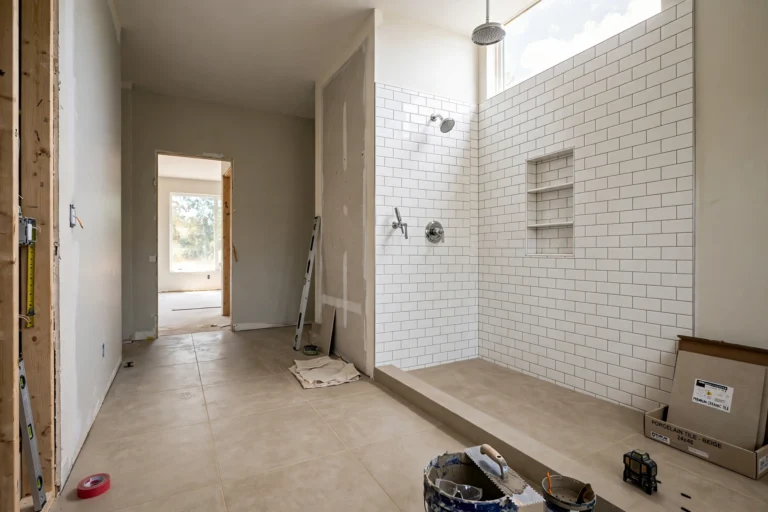
It’s Tuesday morning. The demo crew just hauled your old bathtub to the curb, and your neighbor leans over the fence. “Did you pull a permit for all this?” he asks.
Your stomach drops. Permit? Nobody mentioned a permit.
If that scenario makes you nervous, good — you’re asking at the right time. Let’s walk through when a Kingsport bathroom remodel needs a permit, when it doesn’t, and what to do about it.
So What’s the Short Answer?
Here’s the rule of thumb we give every homeowner who calls us:
If you’re only changing surfaces and fixtures, you probably don’t need a permit. If you’re touching plumbing, electrical, or the structure of the room, you probably do.
New paint? No permit. New vanity in the same spot? No permit. Moving the toilet to the other wall, rewiring the lighting, or knocking out part of a wall? That’s permit territory.
But the details matter, and getting them wrong can cost you.
What Bathroom Work Usually Needs a Permit?
Anything that affects the safety systems of your home — water, electricity, structure — typically requires a permit and an inspection. Here’s how it usually shakes out:
| Work That Usually Needs a Permit | Work That Usually Doesn’t |
|---|---|
| Moving or adding plumbing lines (toilet, shower drain, supply lines) | Replacing a toilet, faucet, or showerhead in the same spot |
| Adding or moving electrical wiring, outlets, or light fixtures | Swapping a light fixture using existing wiring |
| Changing the layout (moving walls, enlarging the bathroom) | Installing a new vanity where the old one sat |
| Cutting a new window or doorway | Painting walls or ceiling |
| Converting a tub to a shower (drain and plumbing changes) | Refinishing or reglazing the bathtub |
| Adding a bathroom where none existed | Replacing floor or wall tile |
See the pattern? The city doesn’t care about tile color. It cares whether the pipes and wiring behind it were done right — the stuff you can’t see once the walls close up.
One gray area worth flagging: a tub-to-shower conversion almost always involves plumbing changes — new drain location, new valve, sometimes new supply lines. That’s why it lands in the permit column even though it feels like a simple swap.
What Work Can You Usually Do Without a Permit?
Plenty. Most cosmetic refreshes sail through with zero paperwork:
- Repainting walls or ceiling with moisture-resistant paint
- Replacing faucets, showerheads, and hardware
- Installing a new toilet in the exact same location
- Swapping the vanity, mirror, or medicine cabinet
- Replacing tile, flooring, or the countertop
- Refinishing the bathtub instead of replacing it
If your project is “make it prettier without moving anything,” you’re in the clear — no permit fees, no inspection scheduling, no waiting. We covered the numbers in our bathroom remodel cost guide for Kingsport.
Why Do Permits Even Exist?
Nobody loves paperwork. But permits aren’t just bureaucracy — they protect you in three concrete ways.
Safety. Water and electricity share a small space in every bathroom. Bad plumbing rots your subfloor silently for years. Bad wiring in a wet room can kill. The inspection is a second set of trained eyes on work you’ll never see again once the tile goes up.
Resale value. Buyers and their inspectors ask about permitted work. Unpermitted plumbing or electrical kills deals. A $200 permit today can save a $10,000 price cut later.
Insurance. If a pipe bursts or faulty wiring causes damage, your insurer can deny the claim when required permits were skipped. You’d pay for the remodel and the damage.
What Happens If You Skip the Permit?
Here’s what actually happens:
- Stop-work orders. If the city finds out — and neighbors do call — an inspector can shut your project down on the spot until permits are pulled. Your half-demolished bathroom sits unusable while you sort paperwork.
- Fines. Penalties vary, but they always cost more than the permit would have.
- Forced tear-out. In serious cases, the city can require you to open finished walls so an inspector can see the plumbing and wiring. Imagine paying to tile a shower twice.
- Resale headaches. Unpermitted work shows up during buyer inspections and appraisals. Some buyers walk. Others demand a discount bigger than the remodel cost.
- Insurance denial. As mentioned above, unpermitted work gives your insurer a reason to say no when you need them most.
Skipping a permit to save a few hundred dollars is one of the classic bathroom remodeling mistakes homeowners regret. The math never works in your favor.
How Much Does a Bathroom Remodel Permit Cost?
Here’s the part everyone actually wants to know. For a typical bathroom project, permit and inspection fees generally fall in the $0 to $800 range, depending on scope:
- Cosmetic-only work: $0 — no permit needed, no fee.
- Single-trade permit (plumbing or electrical only): roughly $50–$250.
- Full bathroom remodel permit (plumbing + electrical + building): roughly $150–$800.
Those are typical ranges, not quotes — the city sets the final numbers. For exact figures, check the City of Kingsport’s building and permits page.
Either way, keep the fee in perspective. On a $10,000 remodel, even the high end of permit costs is a few percent of the project. It’s the cheapest insurance you’ll ever buy.
How Long Will a Permit Add to My Timeline?
For a straightforward bathroom remodel, permitting usually adds a few days to a couple of weeks — mostly waiting for plan review and scheduling inspections at the right stages (rough plumbing and electrical before walls close, final inspection at the end).
Permits only cause delays when they’re an afterthought. A good contractor applies before demo day and schedules inspections around the work. Trouble starts when someone tears out tile on Monday and thinks about paperwork on Friday.
If you’re mapping out your project calendar, our guide on how long a bathroom remodel takes covers realistic timelines including the permit steps.
Who Handles the Permit — You or Your Contractor?
Here’s our strong opinion: your contractor should handle it. Full stop.
A reputable remodeler pulls permits routinely. They know which forms the city wants, what the inspectors look for, and how to schedule inspections without stalling the job. When a contractor tells you “we don’t need a permit for this” on work that clearly involves plumbing or electrical, that’s a red flag. Walk away.
Can you pull the permit yourself? In Kingsport, homeowners living in the home generally can. But then you legally become your own general contractor — every inspection, every trade, every code requirement lands on you. For anything beyond cosmetic work, it’s not worth it. It’s one of the clearest lines in the DIY vs. hiring a pro debate.
When you hire us, permits are simply part of the job. We handle the application, meet the inspector, and make sure every bit of hidden work is documented and code-compliant. You never think about it.
Frequently Asked Questions
Let’s Handle the Paperwork for You
Permits aren’t exciting, but they’re part of doing the job right. The safest path is a contractor who treats permits as routine, not optional.
Call Kingsport Custom Bathrooms at (831) 666-1180. We’ve been remodeling bathrooms across Kingsport since 2019, and we handle permits on every project that needs one. You’ll get honest answers about what your project requires, a clear timeline, and zero surprises. Prefer to start online? Contact us for a free estimate today — or explore our custom bathroom remodel services in Kingsport to see what’s possible.