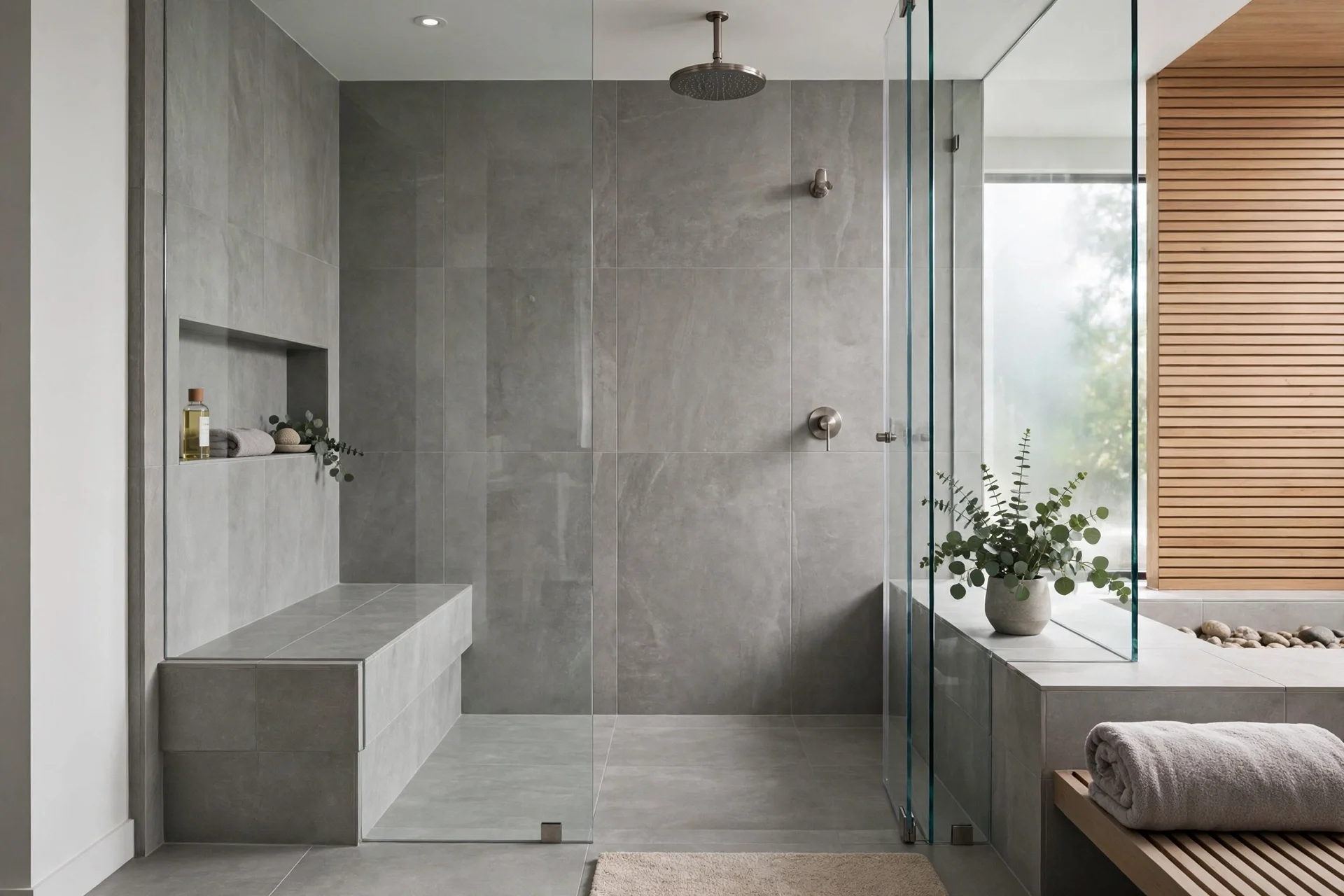
Walk-In Shower Installation Cost in Kingsport, TN (2026 Guide)
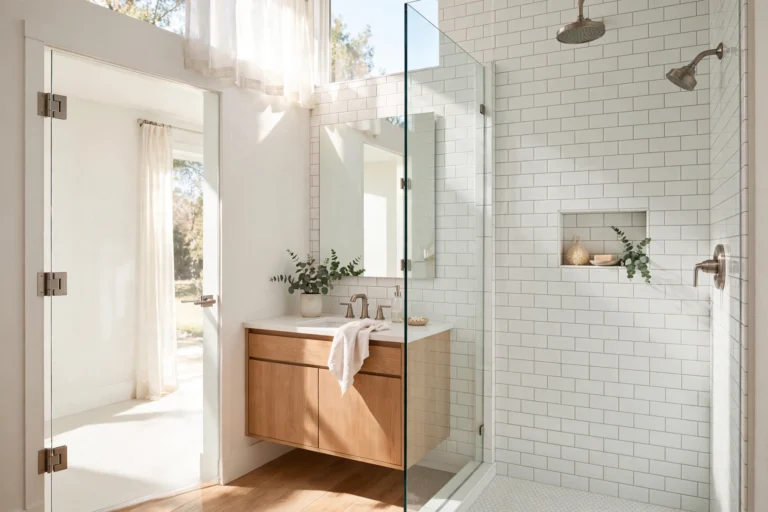
If your bathtub is getting harder to step over — or you just want a cleaner, more modern bathroom — a walk-in shower is one of the most popular upgrades Kingsport homeowners ask about. The first question is always the same: how much does it cost?
The honest answer: it depends on the type of shower, the materials you choose, and how much plumbing work is involved. This guide breaks down real 2026 price ranges so you can plan your budget with confidence.
How Much Does a Walk-In Shower Cost in Kingsport, TN?
Nationally, a professionally installed walk-in shower runs between $4,000 and $20,000, with a typical project landing around $12,000. In Kingsport and the surrounding Tri-Cities area, labor rates tend to run lower than in big metro areas, so many local projects land in the lower to middle part of that range. For the installation itself, see our professional walk-in shower installation in Kingsport service page.
The huge spread comes down to one big choice: a prefabricated shower unit versus a custom-tiled shower. A prefab unit can be installed for $4,000 to $7,000. A fully custom tile shower with premium finishes can run $14,000 to $20,000 or more.
Neither option is automatically “better.” The right choice depends on your budget, your timeline, and how long you plan to stay in your home. We’ll walk through both below.
Walk-In Shower Cost by Type
| Shower Type | Typical Installed Range | Best For |
|---|---|---|
| Prefabricated shower unit | $4,000–$7,000 | Tight budgets, fast installs |
| Standard tiled walk-in shower | $8,000–$14,000 | Best balance of looks and value |
| Low-threshold / curbless shower | $10,000–$16,000+ | Accessibility and aging in place |
| Custom shower with frameless glass | $14,000–$20,000+ | High-end, spa-like finish |
Prefabricated units arrive as a one-piece or multi-piece acrylic or fiberglass shell. Installation is fast — often just a few days — because there’s no tile work. The trade-off is fewer design options and a look that reads more “practical” than “luxury.”
Standard tiled showers are the most common choice we install. You get full control over tile, layout, and fixtures, and the finished result looks custom because it is. Expect the project to take one to three weeks once tile and glass are factored in.
Curbless (low-threshold) showers have little or no raised edge at the entry, which makes them ideal for anyone with mobility concerns. They cost more because the floor has to be precisely sloped to the drain and the waterproofing has to extend further into the bathroom.
Frameless glass enclosures paired with custom tile deliver the high-end spa look, but the thick tempered glass panels and hardware add thousands to the project.
What’s Included: Full Cost Breakdown
Here’s where the money actually goes on a typical walk-in shower project:
| Component | Typical Range | Notes |
|---|---|---|
| Demolition & disposal | $150–$1,000 | Removing the old tub or shower |
| Waterproofing system | $500–$2,000 | Membrane behind the tile — the part you never see but matters most |
| Shower pan, walls & tile (or acrylic) | $1,000–$3,500 | Materials only; tile costs more than acrylic |
| Plumbing updates | $500–$2,000 | New valve, drain work; more if pipes move |
| Glass enclosure | $500–$3,000+ | Framed costs far less than frameless |
| Fixtures (showerhead, valve, handheld sprayer) | $200–$1,500 | Basic to rainfall + body sprays |
| Labor (tile setting, install crew) | $1,200–$4,000 | Skilled tile work is the biggest labor line |
| Permits & inspections | $0–$800 | Depends on whether plumbing is relocated |
The single most overlooked line item is waterproofing. A shower is a waterproof box first and a pretty tile display second. Systems like Schluter-KERDI or Wedi panels, installed as a complete compatible system, are what keep water out of your walls and subfloor for decades. This is not the place to cut corners — a cheap waterproofing job can cause thousands in hidden water damage.
What Makes the Price Go Up?
If your quote lands at the high end of the ranges above, one or more of these is usually the reason:
- Bigger footprint. A 36″ x 60″ shower costs notably more than a 32″ x 32″ one — more tile, more glass, more labor.
- Tile vs. acrylic. Hand-laid tile (especially natural stone or large-format porcelain) costs far more in both materials and labor than acrylic wall panels.
- Frameless glass. Thick tempered panels with minimal hardware look stunning and cost accordingly — often $2,000 to $3,000+ for the enclosure alone.
- Moving the drain or plumbing. Keeping the drain and supply lines where they are saves serious money. Relocating them means opening floors and walls.
- Accessibility features. A built-in bench, grab bars, and a handheld sprayer add comfort and safety — and add to the total.
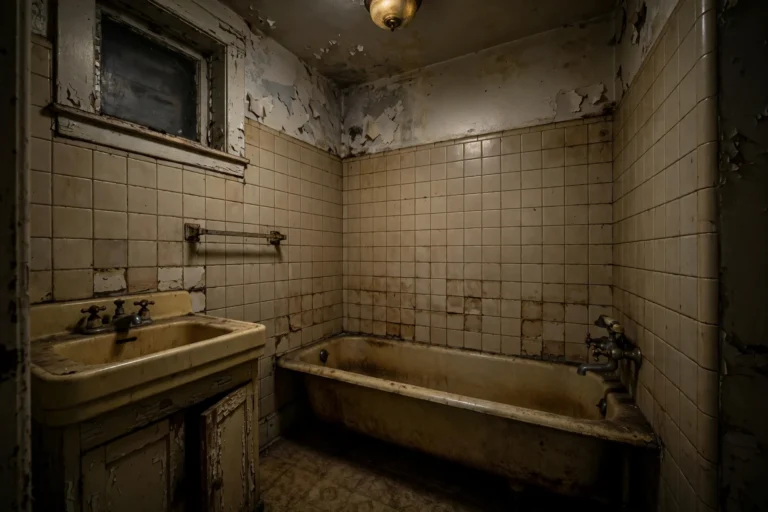
- Surprises behind the walls. Older Kingsport homes sometimes reveal rotted subflooring, outdated plumbing, or mold once the old tub comes out. A good contractor budgets a contingency for this.
- Premium fixtures. A basic chrome showerhead costs very little; a rainfall head with body sprays and a thermostatic valve costs a great deal more.
Prefab vs. Custom Tile: Which Should You Choose?
Choose prefabricated if: your budget is under $7,000, you need the bathroom back fast, or this is a rental or a home you plan to sell soon. Modern acrylic units are durable, easy to clean, and look far better than the fiberglass tubs of twenty years ago.
Choose custom tile if: this is your long-term home, you want a specific look or size, or accessibility features (bench, grab bars, zero-threshold entry) matter to you. Tile also lets you match the shower to the rest of the bathroom for a cohesive, high-end result.
There’s a middle path, too: an acrylic pan with tiled walls, or a prefab base with a semi-frameless glass door. Ask your contractor what combinations hit your budget without sacrificing waterproofing quality.
Replacing a tub? Our tub-to-shower conversion guide covers that project.
Is a Walk-In Shower Worth the Money?
For most homeowners, yes — with one honest caveat.
The case for it:
- Daily comfort and safety. No high tub wall to climb over. For anyone with bad knees, a bad back, or aging parents in the home, this alone justifies the project.
- Accessibility and aging in place. A curbless shower with a bench and grab bars can let you stay in your home years longer. That’s value no spreadsheet captures.
- Modern look and easier cleaning. A tiled walk-in with a glass door makes even a small bathroom feel bigger, and there are fewer nooks for grime to hide in.
- Water savings. Showers typically use less water than filling a bathtub, which trims the water bill.
The honest caveat — resale: real estate professionals generally recommend keeping at least one bathtub in the home, especially if the neighborhood has young families. If you have a second full bathroom with a tub, converting one bath to a walk-in shower is rarely an issue. If this is your only tub, think carefully before removing it. For whole-bathroom budgets, see our full bathroom remodel cost in Kingsport guide.
5 Ways to Save Money on Your Walk-In Shower
1. Keep the plumbing where it is. Moving a drain or supply lines is one of the priciest line items on any shower project. Designing the new shower around the existing plumbing can save $500 to $2,000.
2. Choose acrylic walls over full custom tile. Acrylic panels cost a fraction of hand-laid tile and take a day to install instead of a week. Put the savings toward a nicer glass door or fixtures.
3. Go semi-frameless instead of fully frameless. You get most of the open, modern look for hundreds less than thick frameless panels.
4. Get itemized quotes, not just totals. Two quotes of $11,000 can hide very different scopes. Ask for line items — demolition, waterproofing, tile, plumbing, glass, fixtures — so you’re comparing apples to apples.
5. Bundle it with other bathroom work. If you’re already remodeling the bathroom, adding the shower conversion to the same project is cheaper than doing it as a standalone job later. Crews, dumpsters, and permits are already in motion.
Frequently Asked Questions
—
Ready to find out what your project would cost? Call Kingsport Custom Bathrooms at (831) 666-1180 for a free, no-pressure estimate. We’ve been remodeling bathrooms across Kingsport since 2019, and we’ll give you an honest, itemized price for your walk-in shower — not a vague ballpark.